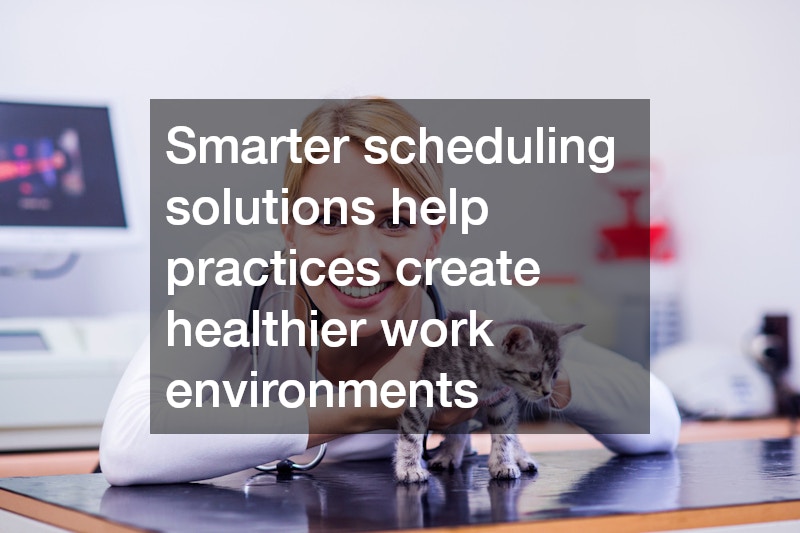
Reducing Burnout Through Smarter Scheduling Solutions


Veterinary professionals are no strangers to long hours, emotionally demanding cases, and unpredictable schedules. From emergency appointments to staffing shortages, veterinary teams often juggle more responsibilities than their schedules can realistically support. Over time, this constant pressure can lead to burnout, which affects employee well-being, team morale, and the quality of care pets receive.
Burnout in veterinary medicine has become an increasingly important issue across clinics, hospitals, and specialty practices. Veterinarians, veterinary technicians, reception staff, and assistants all play critical roles in keeping operations running smoothly, but overloaded schedules can leave teams exhausted and disengaged.
Smarter scheduling strategies can help veterinary practices reduce stress, improve retention, and create a healthier workplace for everyone involved.
Identifying the Scheduling Problems That Lead to Burnout
Many veterinary practices experience burnout because their schedules are built around patient demand without enough consideration for staff capacity. Double-booked appointments, skipped lunch breaks, extended shifts, and constant overtime can quickly wear down even the most dedicated professionals. When team members are consistently expected to do more with less time, stress levels rise, and mistakes become more likely.
Emergency visits often make scheduling even more difficult. A veterinary clinic may begin the day with a manageable appointment calendar only to face several urgent walk-ins or emergency surgeries. Without flexibility built into the schedule, these situations force employees to work longer hours or rush through appointments, neither of which benefits pets or staff members.
Staff shortages are another major contributor to burnout. When a veterinarian calls out sick or a technician takes vacation time, the remaining team often absorbs the workload. This can create resentment among employees who feel they are constantly covering for gaps in staffing. In some cases, practices may rely on existing employees to pick up additional shifts, further increasing exhaustion.
Administrative tasks can also create scheduling strain. Veterinarians often spend time completing records, returning client calls, reviewing lab work, and handling prescription approvals after their scheduled appointments are complete. These tasks frequently spill into personal time, reducing work-life balance and increasing frustration.
Recognizing these scheduling pain points is the first step toward making meaningful improvements. Veterinary leaders who examine how time is allocated throughout the day can identify patterns that contribute to stress and begin making necessary changes.
Building Smarter Scheduling Systems for Veterinary Teams
One of the most effective ways to reduce burnout is to create realistic appointment schedules. Clinics should avoid overbooking and leave room for unexpected emergencies. Adding buffer time between appointments allows veterinarians to properly document cases, speak with pet owners, and reset before moving on to the next patient.
Cross-training staff members can also improve scheduling flexibility. When veterinary assistants, technicians, and front desk employees can handle multiple responsibilities, managers have more options when scheduling shifts. This flexibility helps practices maintain operations even when someone is unavailable.
Using scheduling software can streamline workforce management. Modern scheduling platforms allow managers to track employee availability, manage shift swaps, and identify staffing gaps before they become major problems. These tools can reduce scheduling conflicts and make communication more efficient for the entire team.
Offering flexible scheduling options can also improve employee satisfaction. Some veterinary professionals may prefer four longer shifts instead of five traditional workdays, while others may benefit from part-time schedules. Allowing employees to have input on their schedules can improve morale and reduce turnover.
Veterinary clinics facing frequent staffing shortages may also benefit from working with local relief staffing providers. Relief veterinarians and temporary veterinary technicians can step in during vacations, parental leave, illnesses, or periods of increased demand. This support helps full-time employees avoid excessive overtime while ensuring pets continue receiving quality care.
It is equally important to schedule dedicated administrative time. Blocking off periods for documentation, callbacks, and prescription management can prevent these responsibilities from spilling into evenings and weekends. When veterinarians can complete all aspects of their work during normal hours, they are more likely to maintain a healthier work-life balance.
Creating a Culture That Supports Long-Term Wellness
Even the best scheduling system will fall short if workplace culture does not prioritize employee well-being. Veterinary leaders should regularly check in with staff members to understand workload concerns and identify potential burnout risks before they escalate.
Encouraging employees to take breaks during shifts is another important step. Many veterinary professionals skip meals or work through breaks when schedules become hectic. Leadership should create expectations that breaks are necessary, not optional, and build them into daily scheduling practices.
Paid time off should also be respected and encouraged. Team members need opportunities to recharge without feeling guilty about leaving coworkers understaffed. Proper planning and scheduling support can help ensure employees feel comfortable taking time away when needed.
Mental health resources can provide additional support for veterinary professionals. Counseling services, employee assistance programs, and wellness initiatives can help staff manage the emotional challenges that often come with caring for sick or injured animals.
Leadership transparency also matters. When managers communicate openly about staffing challenges and scheduling decisions, employees are more likely to feel valued and understood. Collaborative scheduling discussions can strengthen trust between leadership and staff members.
Reducing burnout in veterinary medicine requires planning and long-term commitment. Smarter scheduling solutions help practices create healthier work environments, improve retention, and maintain high standards of patient care. When veterinary teams have manageable workloads and better work-life balance, they are better equipped to provide compassionate care for pets and peace of mind for their owners.