The Ultimate New Homeowner’s Guide to Settling In with a Pet

Moving into a new home represents a monumental milestone for any household. The excitement of fresh beginnings, expanded living spaces, and a change of scenery brings a distinct sense of accomplishment. However, when a family includes four-legged members, the entire process requires a deeper layer of planning. Animals thrive on routine and familiarity. A new environment presents a maze of unfamiliar sights, unusual smells, and structural differences that can easily overwhelm a dog or a cat. Preparing the interior and exterior of the house ahead of time ensures a seamless transition.
For instance, many buyers choose to update the flooring before moving their furniture inside to eliminate previous pet odors or wear. Exploring local carpet stores can help buyers find durable, stain-resistant materials designed to withstand the wear and tear of active paws. Taking these proactive steps turns an unfamiliar structure into a safe haven where animals can settle without stress. It is not just about unpacking boxes; it is about establishing a secure, comfortable ecosystem. By organizing local resources early, homeowners can minimize disruptions and focus on building a happy life in their new neighborhood. The key lies in balancing aesthetic home upgrades with the practical health and safety needs of the family companions. A methodical approach prevents common moving day mishaps and lays the groundwork for long-term comfort.
Securing the Outer Boundary for Safety
Once the interior projects are underway, a homeowner must turn their attention to the outdoor spaces. A spacious backyard offers incredible opportunities for exercise and play, but it also contains hidden hazards for an inquisitive dog. Unsecured perimeters can lead to accidental escapes, confrontations with neighboring animals, or tracking through dangerous terrain. Before letting a pet roam freely in the yard, a thorough inspection of the property lines is necessary. Homeowners often discover hidden gaps, rotting wood, or rusted chain links that pose immediate flight risks.
Resolving these issues permanently requires professional expertise rather than temporary DIY fixes. Hiring a licensed fence contractor ensures that the property boundary remains completely secure against escape artists. These specialists understand how different dog breeds behave, whether they prefer to dig under barriers or jump over them. They can recommend specific heights and materials that complement the home while keeping animals safely contained. Investing in professional oversight provides long-term peace of mind during busy mornings when a pet needs to go outside unsupervised. A secure perimeter transforms an average yard into a private sanctuary, allowing dogs to burn off energy safely while owners manage their daily routines indoors.
Investing in Durable Structural Upgrades

The type of containment structure a homeowner chooses depends heavily on the layout of the land and the size of the animal. A large, high-energy dog requires a vastly different setup than a small terrier or an indoor cat. Some properties feature uneven slopes, rocky soil, or strict neighborhood association guidelines that influence material options. Navigating these constraints requires careful planning and precise craftsmanship to ensure the barrier remains durable over many years. Poorly constructed boundaries can sag, warp, or create hazardous splinters that could injure a running animal.
Professional fence installations offer a reliable solution for establishing long-lasting structural boundaries that look beautiful and perform perfectly. Whether selecting classic privacy wood, modern vinyl, or secure metal panels, professional alignment prevents shifting during heavy storms. Proper alignment also ensures that gates close automatically and latch tightly every single time, eliminating human error. Homeowners can customize their yards to include separate zones, perhaps blocking off a prized vegetable garden or a swimming pool area. This structural organization protects both the landscaping and the pet from unnecessary accidents. By prioritizing robust construction from the very beginning, residents can enjoy their outdoor living spaces without constantly worrying about structural failure or unexpected containment breaches.
Eradicating Common Seasonal Pests
An enclosed yard provides incredible freedom, but it also exposes domestic animals to various seasonal health risks. Warm weather brings out swarms of biting insects that do more than just cause mild itchiness or discomfort. Pests like heartworm-carrying insects pose severe health threats that can jeopardize an animal’s well-being. Keeping a yard comfortable requires proactive pest management that targets these breeding grounds before they become unmanageable infestations. Standing water in gutters, low-lying garden beds, and dense shrubbery all serve as prime real estate for unwanted insect populations.
Enlisting a certified mosquito exterminator helps protect the entire property by disrupting the breeding cycles of these flying pests. These technicians apply targeted treatments that focus on typical resting areas while keeping the safety of domestic animals in mind. Reducing the insect population in the yard creates a far more comfortable environment for evening fetch sessions and backyard barbecues. It also lessens the chances of pets bringing pests inside the house, keeping the interior clean and sanitary. Combining regular veterinary preventative medications with active yard management offers a comprehensive shield against seasonal health threats. Homeowners can relax on their patios knowing their animals are playing in a thoroughly protected and comfortable outdoor environment.
Addressing Local Wildlife Activity
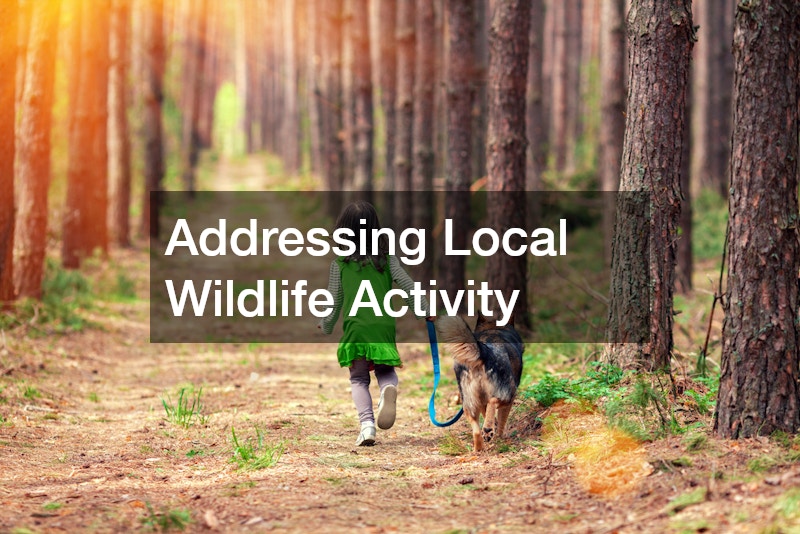
Beyond the threat of small insects, suburban and rural properties frequently interact with larger woodland creatures. Raccoons, opossums, squirrels, and stray animals often view a newly purchased property as their personal territory. These creatures can nest under porches, inside crawlspaces, or within mature trees, creating a direct conflict with curious dogs or territorial cats. Wildlife encounters can lead to sudden territorial fights, property damage, or the transmission of dangerous parasites and diseases. Homeowners must stay vigilant by looking for signs of digging, nocturnal noises, or disturbed trash bins around the property.
When a wild animal decides to establish a home on the property, human interventions must be handled carefully. Contacting a professional local wildlife removal company ensures that these situations are resolved humanely and legally without risking injury to anyone involved. Professionals can safely trap and relocate these creatures while identifying the structural entry points that allowed them access in the first place. Sealing off these weak points prevents future critters from nesting under the deck or inside the attic space. Keeping the yard free of wild animals minimizes stressful barking episodes and keeps domestic pets safe from unpredictable outdoor encounters. A peaceful backyard allows domestic animals to explore their surroundings with minimal stress and maximum freedom.
Locating Essential Medical Care Providers
With the physical property secure and pest-free, a new homeowner must quickly re-establish their support network. Finding medical professionals should happen long before an animal requires an annual checkup or a booster vaccination. Relocating to a new municipality means navigating unfamiliar neighborhoods to find a trustworthy medical clinic that aligns with the family’s expectations. Waiting until an animal shows signs of illness can lead to rushed decisions and added stress during an already busy transition period. It is always wise to collect medical records from previous clinics ahead of time to facilitate a smooth intake process.
An excellent first step involves searching for top-rated veterinarians near me to identify reliable primary care clinics within a short driving distance. Reading local reviews, touring facilities, and speaking with staff members can help determine if a clinic fits the pet’s specific personality. Establishing a relationship early ensures the pet’s medical history is fully integrated into the new local system. Primary care doctors can offer localized advice, such as specific regional allergen warnings or necessary lifestyle vaccines. Having a designated primary clinic removes the guesswork from routine healthcare, allowing owners to schedule wellness exams with complete confidence. This foundational connection keeps animals on track for a long, healthy life in their new environment.
Planning for Immediate Medical Emergencies
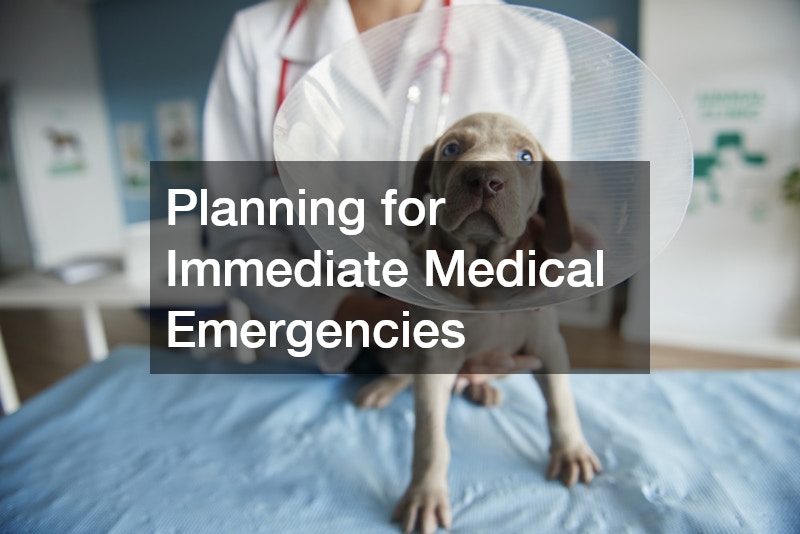
While routine wellness checks keep pets healthy under normal circumstances, unexpected accidents or sudden illnesses can occur at any hour. A dog might ingest a toxic plant while exploring the new garden, or a cat might develop a sudden gastrointestinal blockage late at night. Regular clinics often close during evenings, weekends, and major holidays, leaving a dangerous gap in coverage if an emergency strikes. Knowing exactly where to go during a medical crisis can save critical minutes and drastically improve health outcomes. Every responsible homeowner should keep emergency numbers and addresses clearly posted on the refrigerator for quick reference.
Familiarizing oneself with the locations of nearby urgent care vets ensures that a crisis can be managed calmly and efficiently. These specialized round-the-clock medical centers possess the advanced diagnostic equipment, surgical suites, and intensive monitoring tools required for life-threatening situations. Driving the route to the emergency clinic once during daylight hours helps prevent getting lost or panicking during a midnight rush. It is also beneficial to keep a pet first-aid kit readily accessible in the vehicle or mudroom for immediate stabilization. Being prepared for the unexpected reduces anxiety and ensures that the family companion receives immediate, life-saving intervention whenever a medical crisis arises.
Establishing Structured Daily Routines
Moving can disrupt an animal’s daily rhythm, leading to temporary behavioral regressions, destructive chewing, or separation anxiety. When owners return to their regular workplace schedules after spending days unpacking, pets often struggle with the sudden solitude. Providing structured socialization and physical activity helps burn off nervous energy and reinforces positive habits during a major lifestyle shift. Animals benefit immensely from interacting with peers and experiencing diverse environments that build confidence. Keeping a dog engaged throughout the day prevents boredom-induced habits from forming inside the newly renovated home.
Enrolling a high-energy canine companion in a trusted dog day care offers an exceptional outlet for supervised socialization and exercise. These professional facilities provide structured playgroups, sensory activities, and scheduled rest periods under the watchful eyes of trained attendants. Regular attendance keeps dogs physically active and mentally stimulated while their owners are busy at work or running errands. It also helps maintain a consistent schedule, which is vital for reducing moving-related stress and anxiety. Coming home to a relaxed, tired dog allows homeowners to focus on unpacking without feeling guilty about leaving their pet alone. This balanced approach to daily care supports a happier, more harmonious household during the adjustment period.
Keeping Up with Routine Hygiene
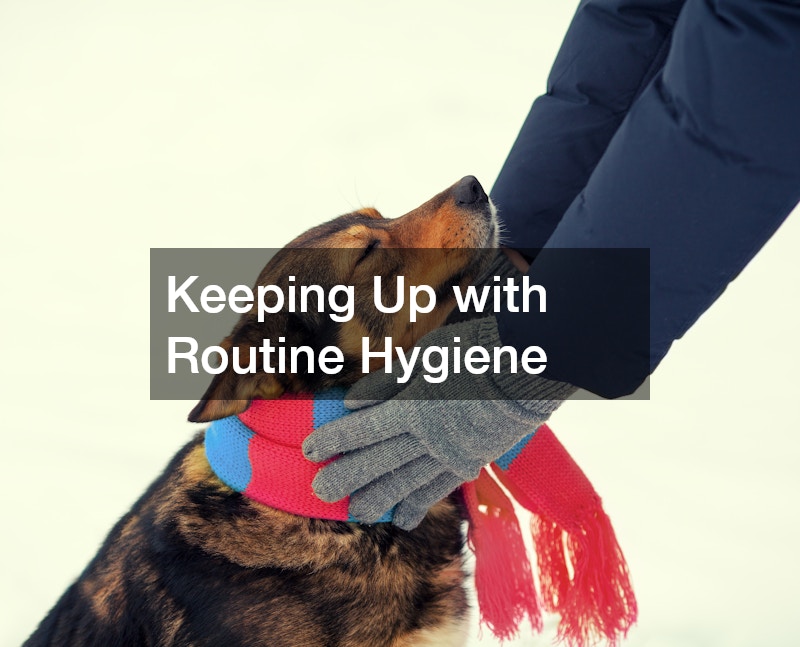
Maintaining regular hygiene routines is another critical component of helping a pet feel comfortable and healthy in a new neighborhood. Dust, mud, and loose debris from unpacking or exploring a new yard can quickly coat an animal’s fur, leading to mats or skin irritations. Regular grooming does more than just keep a pet looking neat; it protects their overall physical health by managing nail lengths, cleaning ears, and checking for underlying skin issues. Finding a professional who understands how to handle nervous or anxious animals can make the entire grooming experience enjoyable rather than terrifying.
Researching highly recommended pet groomers in the local area allows owners to keep their companions smelling fresh and feeling comfortable. Professional stylists have the specialized tools, bathing tubs, and dryers necessary to handle thick double coats or delicate feline skin safely. Regular appointments help minimize excessive shedding inside the house, protecting the new furniture and flooring from accumulating dander. These professionals also serve as an extra set of eyes, often noticing subtle lumps, bumps, or ear infections before they turn into major medical problems. Keeping a pet clean and well-groomed enhances their comfort, making them feel pampered and content as they settle into their fresh surroundings.
Nurturing Emotional and Psychological Well-Being
The physical adjustments of moving are easily visible, but the psychological impact on an animal can linger below the surface for weeks. Some pets become hyper-vigilant, continuously barking at unfamiliar neighborhood sounds or pacing nervously along the hallways. Creating a calm atmosphere inside the house helps reinforce that the new environment is a secure, permanent home. Simple strategies like using pheromone diffusers, maintaining consistent feeding times, and setting up familiar bedding can work wonders for an anxious animal. Sometimes, however, a pet requires advanced support to overcome the profound anxiety brought on by a major geographical transition.
In situations where a pet exhibits persistent stress or behavioral challenges, exploring specialized pet therapy can provide the breakthrough they need. These professional programs focus on behavior modification, desensitization, and emotional rehabilitation to help animals process stress effectively. Certified specialists work closely with owners to identify specific triggers and build customized strategies that foster trust and confidence. Over time, these therapeutic practices help animals overcome their fears, allowing them to relax completely in their new surroundings. A harmonious home is built on mutual comfort and understanding, ensuring that every family member, whether two-legged or four-legged, can thrive together for years to come.